
Why Do We Have Baby Teeth and Why Do They Matter?
When your infant’s baby teeth come in and create that adorable toothy smile, it’s a momentous occasion! But if they’re going to fall out eventually anyway, why do we have baby teeth in the first place? What purpose do they serve aside from looking cute?
That’s exactly what we’ll be covering in this post. Our Red Deer pediatric dentists will explain why baby teeth exist, what roles they play, and why you shouldn’t ignore issues even though they will eventually fall out.
Why Do Baby Teeth Exist?
According to an article in The Scientist, most mammals, including humans, are diphyodont, meaning there are two sets of teeth: deciduous teeth (AKA baby teeth or primary teeth) and permanent teeth.
So, why do we have baby teeth? Because a child’s jaw and facial structure are much smaller than an adult’s. Baby teeth are the perfect size to fit their mouth, allowing kids to bite and chew. As the face and jaw get bigger, more space opens up for the larger permanent teeth that will take their place.
In short, baby teeth exist to allow little ones to have a functional set of teeth while they’re growing.
How Many Baby Teeth Are There?
Kids have 20 baby teeth total, 10 in the upper jaw and 10 in the lower jaw.
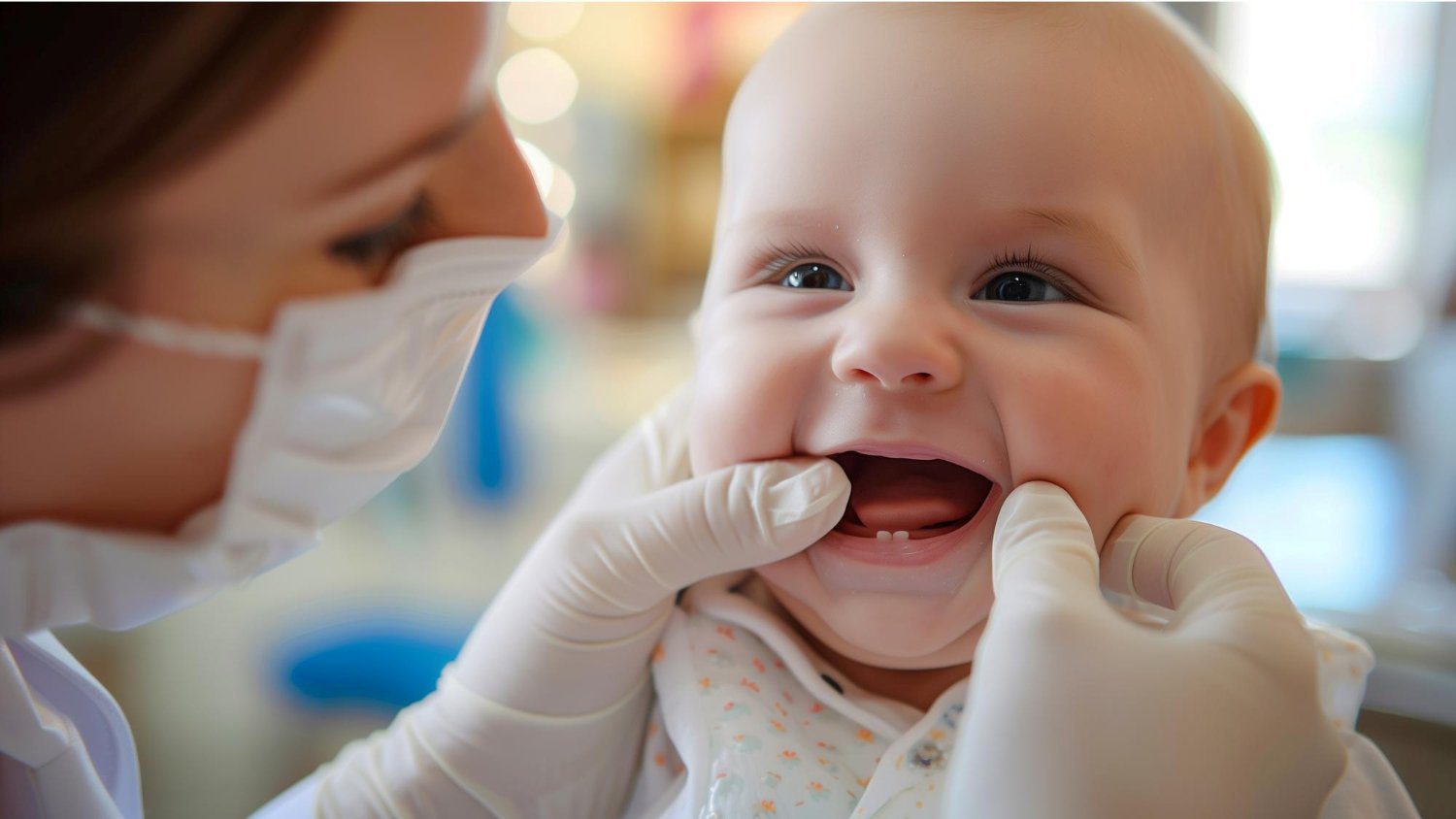
While the baby teeth usually begin to erupt between 6 and 10 months of age and continue to come in until around age 3, they actually form when the baby is still in the womb. At birth, the baby teeth are waiting under the gums until it’s time to make their appearance.
Typically, between ages 6 and 7, the process reverses, and the baby teeth start falling out to make way for the permanent teeth. Eventually, all 20 baby teeth are replaced, but the adult smile gets a few extras too.
The first and second molars don’t replace baby teeth. Instead, they erupt into empty space at the back of the mouth, bringing the total to 28 permanent teeth.
And there might be more to come! In the late teens or early 20s, the third molars, known as wisdom teeth, may erupt. Not everyone develops all four, but if they do, that equates to a grand total of 32 adult teeth.
Why Are Baby Teeth Important?
Though baby teeth will fall out, they have some important jobs to do in the meantime. Here’s why baby teeth matter:
They Help Your Child Eat
Healthy teeth are critical for proper biting and chewing. This allows your child to eat a wide variety of foods, including crunchy ones like fruits and veggies.
This is especially important during childhood because good nutrition supports rapid growth and development. A painful or decayed baby tooth can make chewing uncomfortable, causing kids to avoid certain foods and potentially miss out on essential vitamins and minerals.
They Save Space for the Permanent Teeth
One of the key roles of primary teeth is to save space for the permanent teeth underneath them. They also help guide these adult teeth into place.
If a baby tooth is lost too early, whether due to injury or decay, the neighbouring teeth have a tendency to drift into the empty space. This can lead to crowding, impacted teeth, and bite problems.
They Aid in Speech Development
Baby teeth provide support for your child’s lips, facial muscles, and tongue, which work together to form sounds and words. Clearly articulating certain speech sounds, such as “th,” “s,” “f,” and “v,” also requires the tongue or the lips to interact with the teeth in specific ways.
Ultimately, healthy baby teeth help kids develop proper speech patterns as they build their language skills.
They Support Jaw and Facial Development
Primary teeth help to guide facial and jaw development. They hold space for the permanent teeth, promoting optimal alignment and spacing.
Biting and chewing also stimulate the jawbone and exercise the facial muscles. This strengthens the system of bone, joints, and muscles and helps them grow in harmony.
Additionally, having a complete, functional set of baby teeth encourages correct tongue posture and swallowing patterns while distributing chewing forces evenly across the jaw, which may help maintain symmetry and prevent uneven growth patterns.
They Help Kids Feel Good About Their Smiles!
Having a healthy smile can boost kids’ self-esteem. Plus, it allows them to smile, laugh, talk, and eat comfortably and confidently.
Why Do Baby Teeth Fall Out?
Now that we’ve established why baby teeth matter, let’s talk about why they fall out. The simplest explanation is that they’ve served their purpose and it’s time for their adult counterparts to make their debut.
The scientific answer is that while the baby teeth are in place, the permanent teeth develop within the jaw. When a permanent tooth is ready to erupt, the roots of the baby tooth above it gradually dissolve, or resorb.
When there’s nothing left to hold it in place, the baby tooth gets wiggly and then falls out. A few months later, the permanent tooth comes in and takes its place.
Do Baby Teeth With Cavities Need to Be Treated?
Parents often ask us, “Do baby teeth with cavities need to be treated?” After all, baby teeth fall out, so why should they be fixed?
In many cases, yes, baby teeth with cavities need to be treated. If it’s not addressed, the cavity will continue to grow, which can lead to:
- Pain and sensitivity
- Difficulty chewing
- Infection or an abscess
- Damage to the underlying permanent tooth
- The need for more extensive dental treatment
- Missed school
- Premature tooth loss
Beyond pain and infection, decay can interfere with the baby tooth’s ability to do the jobs we discussed. Also, as mentioned above, if the tooth falls out early or needs to be extracted, it can lead to crowding and future bite problems.
Does Every Cavity in a Baby Tooth Need a Filling?
Not necessarily. Treating baby teeth isn’t one-size-fits-all. The right approach depends on factors such as your child’s age, the location of the tooth, how long it’s expected to remain in the mouth, and your child’s risk of developing additional cavities.
For example, a very small area of decay in a tooth that will fall out soon might not need treatment. Meanwhile, a large cavity in a premolar that’s meant to stay in place for several more years would likely need a filling.
That’s why it’s important to have cavities in baby teeth evaluated by a dentist instead of assuming the tooth doesn’t need treatment because it will fall out at some point.
At Brush Floss Dentistry for Children, our pediatric dentists, Dr. Arash Goshtasby (Dr. Gosh) and Dr. Cameron Grant, consider the whole picture and make a recommendation based on what’s best for your child’s smile and needs.
How Can I Keep My Child’s Baby Teeth Healthy?
A few simple habits can make a big difference in your child’s oral health and prevent problems with their baby teeth.
- Start brushing as soon as the first tooth erupts. Brush twice daily with fluoride toothpaste and a soft-bristled toothbrush.
- Begin flossing once any two teeth touch. Flossing once a day removes plaque and food debris from the spaces a toothbrush can’t reach.
- Minimize sugary foods and drinks and snacks that stick to teeth. Cavity-causing bacteria feed on sugars and starches, producing acids that damage enamel. Frequent snacking and sugary treats mean more frequent acid attacks, while things like crackers and gummy candy that get stuck between teeth can prolong the exposure.
- Schedule your child’s first dental visit by age 1. Early visits help your child get comfortable with the dental office, allow the pediatric dentist to monitor their developing smile and identify potential concerns, and help you establish good oral hygiene habits from the start.
- Keep up with routine cleanings and exams. Don’t wait until there’s pain. Cavities, especially in their early stages, don’t always cause symptoms. Regular visits support early detection, when cavities may be easier to treat, and dental cleanings remove hardened plaque (tartar) that regular brushing and flossing can’t eliminate.
Why Do We Have Baby Teeth? The Bottom Line
Baby teeth give kids a set of functional teeth that fit their mouths, so they can bite and chew until their jaws develop enough to accommodate the larger adult teeth.
Along the way, they also save space for the permanent teeth and help guide them into position, support speech development, and influence jaw and facial growth.
That’s why taking care of baby teeth and treating problems when they arise is so important. Keeping these little teeth healthy until they’re ready to fall out naturally helps set the stage for a confident adult smile and a lifetime of oral health.
Give Your Child’s Baby Teeth the Care They Deserve
At Brush Floss Dentistry for Children, our board-certified pediatric dentists specialize in caring for growing smiles, from the first tooth to the teenage years.
Whether it’s time for your baby’s first dental visit, you think your child has a cavity, or you want to make sure your little one’s smile is developing as it should, we’re here to make going to the dentist a positive, engaging experience.
Call us at (587) 741-8830 or book your child’s dental appointment online!